San Antonio Addiction Treatment for First Responders: Tailored Support
First responders deal with other individuals's worst days with a calmness that looks simple and easy from the outside. Inside the profession, every person recognizes the fact. The radio can leap from a residential contact us to a pediatric overdose to a structure fire without a breath in between. You clear one scene, write the record, and the next tone is currently going down. It is not one terrible incident, it is the debris that develops with every shift. Over time, that sediment solidifies into sleepless nights, hypervigilance, and the silent pull of alcohol, pills, or anything that takes the side off.
San Antonio brings a specific load. The city extends thick city neighborhoods, active interstates, and stretching outskirts. Warm front push firemens and medics to their limits in August. Law enforcement faces a stable cadence of violent La Hacienda Treatment Center criminal activity and behavior health phone calls. Dispatchers absorb the panic prior to anybody else, after that hang up and take another phone call. The work is purposeful and needed, and it also removes a cost. Addiction treatment in San Antonio that benefits first responders has to start with that said reality and construct from there.
Why initial responders require specialized care
Standard programs for material use and mental wellness can be strong, yet they commonly miss the appearance of -responder society. The stakes for disclosure are different when an individual brings a badge or uses yield equipment. The shift schedule is penalizing, and turning evenings are not suitable with most team schedules. Exposure to injury is chronic, not periodic, and it is wrapped in a tight-knit culture where you are anticipated to be the one who holds the line.
A specialist that has never ever gotten on a ride-along might encourage "take a beat prior to getting in the scene." That recommendations lands flat when the scene is currently in your lap. A counselor unfamiliar with police might analyze guardedness as resistance, not as the standard survival ability it is. Specialized addiction treatment values the craft, the hangings humor, the precise hierarchy of a station or division, and the ethical injuries that can ride together with an usage disorder. It additionally identifies the details substances that surface most often in these duties, and why.
Patterns of use and co‑occurring issues
In years of collaborating with -responders and their families, I have seen recognizable patterns.
-
Alcohol stays the most typical material due to the fact that it is legal, common, and socially sanctioned in many departments. After a twelve, satisfying the staff for beers seems like decompression. It can tip right into nightly self-medication when sleep will certainly not come without it.
-
Stimulants and power products creep in under the banner of productivity. Extra caffeine slides to prescription energizers or illegal alternatives when tiredness is chronic.
-
Opioids and benzodiazepines sometimes show up by prescription after a back injury or surgical treatment. Tolerance constructs, refills end up being an inquiry, and embarassment expands. A paramedic who dispenses illegal drugs by protocol may really feel entraped if the exact same container on the vehicle is the one calling their name.
-
Cannabis occupies a grey zone. Lawful status in Texas is restricted. Several agencies have no tolerance. A -responder might still utilize to blunt anxiousness, after that encounter career risk if screened.
Underlying all of this, injury signs and symptoms and mood conditions turn up side-by-side. Insomnia, invasions, and evasion actions mix with clinical depression, irritability, and anxious ruminations. Some responders define ethical injury as opposed to classic PTSD. It comes from the dissonance between the work's ideals and the compromises truth forces. Averting from a victim to chase after a suspect, or seeing a system fall short the very same household repeatedly, can leave marks that do not sign up as recalls yet still drive substance use.
Programs that different addiction treatment from injury treatment typically require -responders to choose which trouble to deal with first. That is not just how the mind functions after years of service. Treatment needs to integrate both from the start.
What customized support resembles in practice
A specialized program in San Antonio need to pass a common sense test when you walk through the door. You need to see that the routine values change truths, the medical professionals speak the language of the area without transforming it right into a trick, and privacy is not an explanation, it is a column. When treatment is constructed for responders, it often includes:
-
Dedicated teams for firefighters, law enforcement, medics, dispatchers, and corrections police officers, with area for cross talk when it assists and separation when functions diverge.
-
Trauma-informed modalities supplied by clinicians educated to treat job-related injury, not simply to acknowledge it.
-
Policies that protect privacy and restriction unnecessary disclosure to employers or licensing bodies, while still adhering to legislation. Possession of information should reside the customer unless safety or lawful mandates apply.
-
Schedules that enable attendance around 24-hour procedures. Evening IOP tracks, early morning treatment obstructs prior to change, and telehealth choices when appropriate.
-
Priority access to detoxification and household beds when safety and security determines a higher degree of treatment, with cozy handoffs from peer groups or chaplain units.
-
Integration with peer assistance and chaplaincy, not as a replacement for care yet as a bridge and a long term anchor.
-
Family programming that recognizes the ripple effects of the job in your home and provides partners or companions their very own area to speak.
In San Antonio, it also aids when programs keep functioning relationships with neighborhood divisions, local injury networks, and community resources. Discernment matters, so this networking should be made to open doors without revealing personal details.
Levels of treatment that fit the job
The right level of treatment depends upon security, intensity, and the realities of the work. A thoughtful provider in addiction treatment in San Antonio examines risk initially, then customizes the path.
Detox is necessary when withdrawal presents clinical threats, which can be the situation with alcohol, benzodiazepines, and some opioids. For a police officer or fireman, detoxification in a health center or clinical system that recognizes privacy worries can make the difference between seeking assistance and staying at home. Anticipate a brief keep concentrated on stabilization and drug management.
Residential treatment, often 14 to 30 days, gives distance from triggers and accessibility to daily therapy. For some -responders, a short domestic keep unlocks to sincere work that would certainly not happen while sleeping in the same bed and driving the same courses that cue usage. It requires control with the division for leave and a clear prepare for return.
Partial hospitalization programs and intensive outpatient programs supply a robust treatment routine while allowing clients rest in your home. A responder who can not step away from family members responsibilities may locate PHP or IOP a much better fit. The key is to prevent programs that treat IOP like a common afterthought. The curriculum needs to take the work right into account.
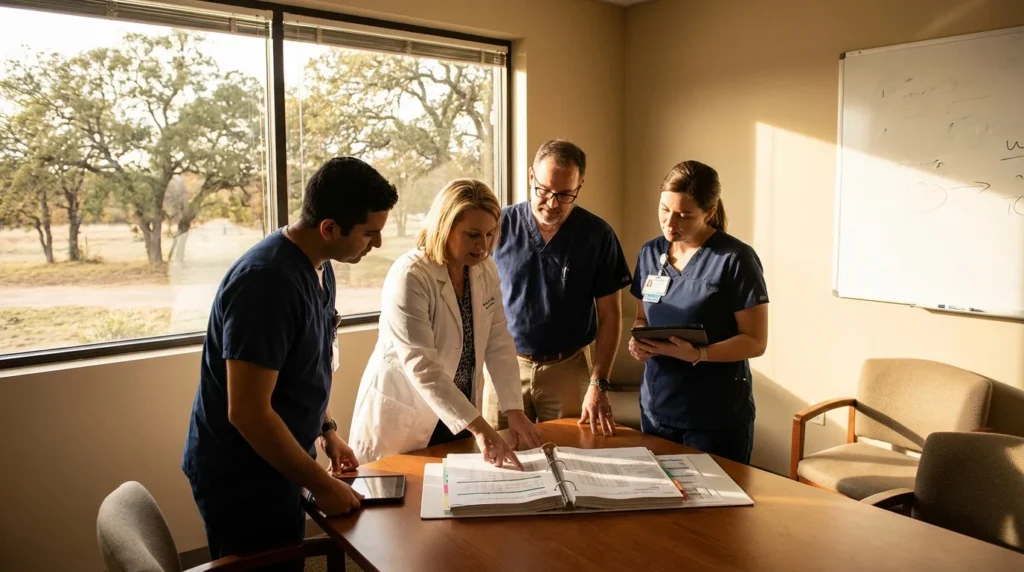
Outpatient therapy is crucial for recurring work. Weekly or two times once a week sessions, especially when incorporated with drug for food cravings or injury symptoms, can sustain healing long after formal treatment ends.
Peer assistance and recovery teams fill the gaps that no hour of treatment can. In San Antonio, both general and responder details healing neighborhoods exist. Some divisions host interior conferences led by peers with clinician assistance. Others like outside meetings for privacy. Both can work.
Medication assisted therapy, particularly for opioid usage disorder, stays underused in responder populaces because of preconception and concern of job influence. When recommended and kept an eye on by a medical professional that understands company plan and state policies, drugs like buprenorphine and expanded release naltrexone can save professions and lives.
Evidence based therapies that resonate
A good program puncture buzzwords and utilizes methods with information behind them, then adapts delivery to the culture of the job.
Cognitive processing treatment aids unbox stuck factors that lock trauma in place. A deputy that condemns himself for a call that drew out can find out to evaluate those beliefs against realities, not just replay the moment on a loophole. Extended exposure can minimize the power of avoided memories and cues, when paced and supported by a medical professional who understands how to titrate call without flooding.
Eye activity desensitization and reprocessing has actually assisted many responders desensitize to vibrant images that will not let go. EMDR is not magic, yet it gives the nerves an additional method to absorb what the eyes and ears took in.
Cognitive behavior modification for insomnia teaches sleep skills that medications can not replace. For -responders working evenings, this can be the rest on which sobriety rests.
Motivational speaking with areas freedom and liability. It allots talks and invites frank talk about ambivalence, which is common when a badge or accreditation goes to stake.
Skills attracted from dialectical behavior modification, like distress tolerance and feeling policy, in shape remarkably well in responder society because they are useful. They offer tools for the void in between trigger and response.
Somatic methods and breathwork, when educated without mystique, can downshift the nervous system quick. A paramedic that can box inhale the gear prior to a triggering address has an edge over a medic that only recognizes white knuckle coping.
The function of family, companions, and peers
Substance issues hardly ever exist alone from home life. Companions commonly bring the psychological weight of the job and the logistical weight of the household. They discover irritability, secrecy, or missed commitments prior to any individual on the team does. Welcoming them into therapy, with the -responder's permission, brings take advantage of in the good sense of the word.
Family sessions can attend to communication patterns that keep both sides walking on eggshells. Education about trauma and addiction assists partners depersonalize the symptoms without reducing harm. Programs in San Antonio that provide weekend break household intensives or evening classes see much better engagement due to the fact that partners and parents do not have to miss work to participate.
Peer support is its own pillar. A firefighter is most likely to open to an additional firemen that has remained on the tailboard at 3 a.m. After a tough telephone call than to a complete stranger. Effective programs work together with peer groups while protecting professional borders. The peer presents, the medical professional deals with, and both track progression with the client's permission.
Privacy, licensure, and division problems in Texas
Fear of occupation damage is the number one barrier I speak with -responders thinking about treatment. The anxiety is not unproven, however it is additionally not a factor to prevent care. Texas regulation and most company plans enable private therapy except in certain scenarios, such as impending risk to self or others, presumed youngster or elder misuse, or court orders. Psychotherapy notes stand out from general medical documents and are afforded extra defense. Programs should follow HIPAA and 42 CFR Part 2 for material usage records, which are especially rigorous concerning disclosure.
When licensure or physical fitness for task comes into play, it is vital to understand the pathways. Some agencies need an official examination after particular events or lacks. A seasoned clinician can perform or work with that procedure and advocate for a go back to task strategy that concentrates on security and liability, not penalty. When official surveillance is required, transparency regarding expectations and timelines decreases the guesswork that fuels relapse.
Union agents, organizations, or benevolent funds occasionally give private referrals and partial financial backing. Chaplains can be vital allies. Many departments in and around San Antonio preserve peer groups that are trained to protect confidentiality within the limits of the legislation. Ask directly just how info will be taken care of prior to you share.
Accessing treatment in San Antonio
San Antonio has a deep bench of medical and behavioral health resources, together with a huge populace of armed forces professionals who now offer in private -responder functions. That mix has driven development in injury skilled treatment. Integrated health center systems, independent treatment facilities, and private clinicians use addiction treatment Texas vast, yet neighborhood familiarity issues. Knowing the names of major intersections where serious collisions happen, or the neighborhoods where overdose calls cluster, aids a clinician recognize why a client tenses up on the drive to session.
Look for programs that can coordinate with neighborhood inpatient systems when detoxification is required, which keep recommendation connections with psychoanalysts that recognize responder rest physiology and the implications of medicines on awareness and obligation. Transportation and parking are not insignificant. If a program's area makes it difficult to show up quietly or in a timely manner from a change, adherence drops.
Insurance protection differs. Many plans cover IOP and outpatient therapy well, particularly when medical need is documented clearly. Residential protection can be tighter. Preauthorization and case administration are basic. A great admissions group will validate benefits up front and set out likely expense costs. Surprise costs erode trust fund fast.
Questions to ask when choosing a provider
- How several first -responders do you treat in a typical month, and in what roles?
- What is your plan for protecting privacy, including from employers or licensing bodies, and under what problems would certainly you be called for to disclose?
- Which evidence based therapies for injury and substance utilize do your medical professionals make use of, and just how are they adjusted for shift workers?
- How do you entail peer assistance, pastors, and family members while maintaining clinical boundaries clear?
- What does aftercare look like for at least 6 months after discharge?
Getting began when you are not sure you are ready
- Make one personal phone call to an admissions line and inquire about personal privacy and organizing. You do not have to provide your full name to gather information.
- Schedule a single analysis with a clinician who treats -responders. Treat it like a seek advice from, not a commitment.
- Loop in a relied on peer or supervisor just if you select, and agree on what you want shared.
- Set a brief trial period. Commit to 2 weeks of IOP or 4 therapy sessions and reassess.
- Remove very easy access to your key material in the house for the trial duration and ask a partner or good friend to hold you accountable.
What progress appears like on the ground
Recovery for -responders does not suggest shedding your edge or dulling the impulses that maintain you safe. It normally turns up initially as far better sleep and less spikes of anger over little things. Cravings that as soon as seemed like commands start to feel like weather, recognizable however satisfactory. You discover space in between a recall image and your response to it. Available, you discover yourself existing, not swamped. The tales you inform at shift modification adjustment tone. You do not require to outdo the last scary to verify you are still in the circle.
At home, your partner kicks back a little. Children stop tiptoeing. Weekend breaks feel longer. You still have poor days, and you still consider alcohol consumption or making use of in some cases, especially after awful changes or during wedding anniversaries of unforgettable calls. The difference is that you have a plan and individuals in your edge who recognize the drill.
For chiefs, managers, and union leaders
Support from management and labor makes treatment attainable and lasting. The goal is a workforce that is in shape, secure, and human. That calls for policies that lower obstacles to care and stay clear of automated vindictive feedbacks. Leaders can:
-
Normalize help looking for by talking openly regarding sources at roll phone calls and trainings. If a respected captain or sergeant shares a personal story, the area listens.
-
Establish clear privacy paths with vetted carriers. Spell out who requires to know what, and when.
-
Create flexible scheduling for IOP and therapy. Put it in creating so managers recognize how to recognize it.
-
Fund peer team training and clinical guidance for peers. Peers require their very own support to avoid burnout.
-
Track end results. Retention, fewer sick days, and fewer essential cases tied to substance use are quantifiable wins.
Departments that do this continually see fewer dilemmas that splash into self-control, less on duty events linked to impairment, and much better morale. That spends for itself in reduced turnover and fewer disability claims.
The San Antonio advantage
San Antonio's -responder neighborhood blends huge city quantity with small town continuity. Staffs stay together for several years. Agencies work together across territories. That communication can hide issues, however it can also power recovery when the network is set in motion. When a -responder walks right into a center and sees products that show their fact, listens to a specialist that knows exactly how a multi alarm fire progresses or how a felony quit unfolds, and satisfies peers who have actually sat in the very same attire, defenses go down. Job can begin.
Addiction treatment here does not require to transform the wheel. It requires to fit the wheel that currently switches on every change. Programs that do this well become quiet fixtures. You do not become aware of them in the paper. You become aware of them in the tiny conversations that transform an occupation's direction. A field training policeman draws a newbie apart and claims, If the job begins reaching you, call this number. A dispatcher hands a card to an associate after a harsh night. A firemen who as soon as drove home on auto-pilot after a double death now calls an enroller and heads to a meeting.
If you serve, you are worthy of treatment that honors the job you do and the individual underneath the attire. Excellent quality, personal addiction treatment in San Antonio exists, and it is developed for you. The very first step is smaller than it looks. Ask a concern. Take a consult. Offer yourself a short runway and see just how it really feels to land without the prop that has actually been holding you up. The work will still exist. You will fulfill it with clearer eyes and steadier hands, and individuals that rely on you will certainly notice. That is the kind of win that matters, in this work and in this city, and it is available via the ideal addiction treatment Texas service providers use to those who maintain appearing when the alarm sounds.